


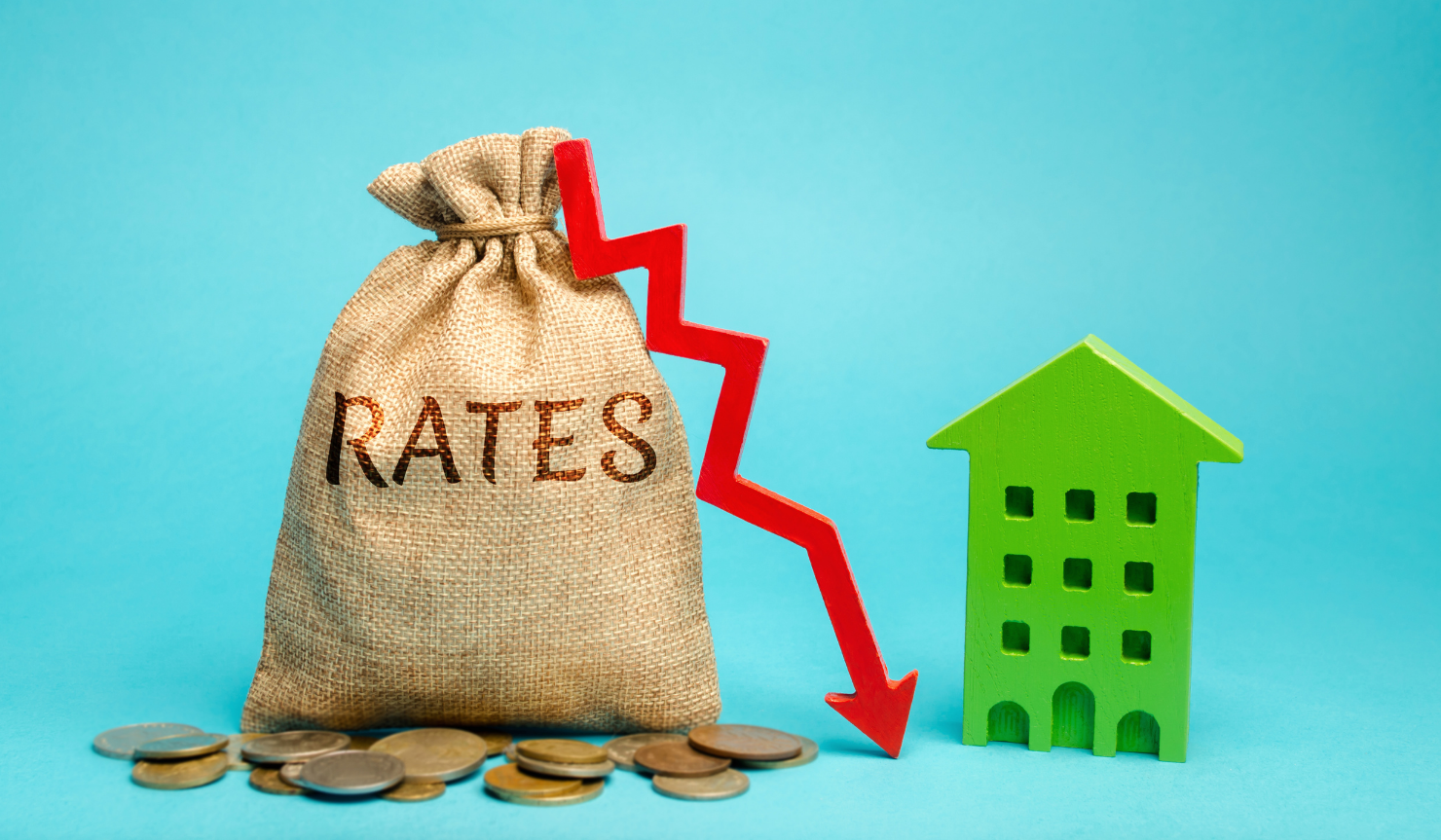
For the past several years, business owners and financial leaders faced the challenge of a hardening insurance market, specifically with commercial property insurance rates. However, an ongoing shift is continuing in a favorable direction for purchasers of property insurance. After a long period of rate hikes, the property insurance market has been softening, and rates are continuing to drop into 2026 — creating a critical window of opportunity for businesses to reassess their strategies and optimize their coverage.
Why are rates decreasing?
After six consecutive years of rising costs, the property insurance market has begun a notable correction. Insurers and brokers are now observing rate decreases, and expect this trend to continue. This shift is not arbitrary; it’s driven by fundamental market dynamics.
A primary reason for the shift is a significant influx of new capacity into the insurance marketplace. Insurance has always been a “supply & demand” play in terms of how soft or hard the pricing is for commercial property insurance rates. In a hard market there are far less insurance carriers offering coverage terms, so they can maximize how big their slice of the pie is. As capacity increases and more markets come on to the street, this dynamic drives prices down.
Growth-focused insurers are leveraging both traditional reinsurance and non-traditional investment methods, such as insurance-linked securities (ILS), to expand their ability to take on risk. This increased competition is resulting in downward pressure on rates across the board.
The impact is widespread, with decreases ranging from 5% to 10% for general property and natural catastrophe risks. Even sectors often considered higher risk, such as multifamily and habitational accounts, are experiencing flat rates or rate reductions of between 5% to 10%.

The “Rate Decrease” caveat
While the falling prices are beneficial to businesses, it’s essential to view this as a market “recalibration” rather than a complete reversal. The previous years of hardening rates allowed insurers to restore pricing and return the property insurance line to profitability. The current state of the market symbolizes less of a “price war” and more of a stabilization, where the pricing pendulum is swinging back after previously going too high. This means that while the market is more favorable for buyers, underwriting discipline remains a key focus for carriers.
As we near the end of hurricane season, it is key to note that the continuation of rate decreases is highly dependent on the United States avoiding any severe weather incidents. A quiet season could build even more downward pressure on rates, whereas a high number of landfalling storms could cause the market to change very quickly. This means a key factor is geography, as the location of the risk is a deeply deterministic variable in the pricing equation.
COPE (Construction, Occupancy, Protection, Environmental) also is a key variable. The better the construction class, in less coastal or less storm/catastrophe areas are getting the steepest discounts.
As a Risk Manager & Risk Advisor, we caution clients to not jump at the lowest premiums; quality always matters. We have concerns that too many companies are off shoring their risk pools in the Cayman’s, purchasing suspect reinsurance, and investing the surplus in risky investments — creating off balance sheet risk. This is all done outside the purview of the rating Agencies, who have brought this to light with state regulators.
In a large event situation we want to know our carrier partners have the surplus to handle the claims. That’s why we buy insurance. Again, quality matters!
Strategic takeaways for your business

A softening market is more than just an opportunity for a lower premium; it’s a chance to strategically enhance your entire risk management program.
Here are three key actions to consider:
1. Conduct a Thorough Policy Review: Now is the perfect time to go beyond the price tag and analyze the structure of your property policy. Are your valuations accurate? Are there opportunities to broaden coverage or adjust deductibles to better align with your risk tolerance?
2. Capitalize on Increased Insurer Appetite: The current commercial property insurance rates are driven by new capacity entering the market and carriers are competing more for new business.
3. Negotiate Better Terms and “Buy Back” Coverage: This is the ideal opportunity to reverse unfavorable terms from previously hardened market. You should look to lower your deductibles, increase critical sub-limits, or even remove certain exclusions for little to no additional premium, significantly improving your quality of coverage.
Partnering for a proactive approach
The current property insurance market presents a valuable opportunity, but its future direction remains tied to unpredictable factors like weather events. Navigating this landscape requires a partner who understands the market’s complexities and can help you act decisively.
Understanding how these market dynamics apply to your unique risk profile is the first step toward optimizing your coverage and costs. Connect with one of our Risk Advisors today to schedule a complimentary review of your current property insurance program.

