
If you’re a business owner, CEO, or CFO, you’ve likely watched your commercial auto premiums climb year after year, wondering when it will end. It’s a frustrating trend that can significantly impact your bottom line. While it’s easy to assume these increases are tied to general inflation or a simple increase in accidents, the reality is far more complex.
The commercial auto insurance market is currently facing a perfect storm of challenges, driven by deep-seated legal and social trends. Understanding these forces is the first step toward building a resilient risk management strategy. This article breaks down the key factors driving up commercial auto premiums and provides proactive steps you can take to protect your business.

A Market Divided: The Widening Gap in Commercial Auto Coverage
A major source of instability is a historic split in insurance carrier performance. On one side, commercial auto physical damage coverage—which repairs or replaces your vehicles—remains profitable for insurers. In fact, it generated a $1.5 billion profit in 2024 and achieved its best performance outside the pandemic year with a combined ratio of 88.6.
In contrast, liability coverage—which protects your business after an accident involving injury or property damage to others—is hemorrhaging money. In 2024, commercial auto liability posted its largest-ever underwriting loss at $6.4 billion. This pushed the overall commercial auto line to a $4.9 billion loss, its 14th consecutive year in the red.
What this means for your business: In the past, profitable physical damage lines could help cushion losses from the liability side. That is no longer the case. With liability losses spiraling, insurers are forced to pass these costs on through higher premiums and stricter underwriting, directly impacting your renewal costs.
The Real Driver: “Social Inflation” and Skyrocketing Claim Severity
The primary force behind massive liability losses is a phenomenon known as “social inflation.” This refers to the rising cost of insurance claims resulting from societal trends, growing anti-corporate sentiment, and aggressive legal strategies that lead to larger jury awards.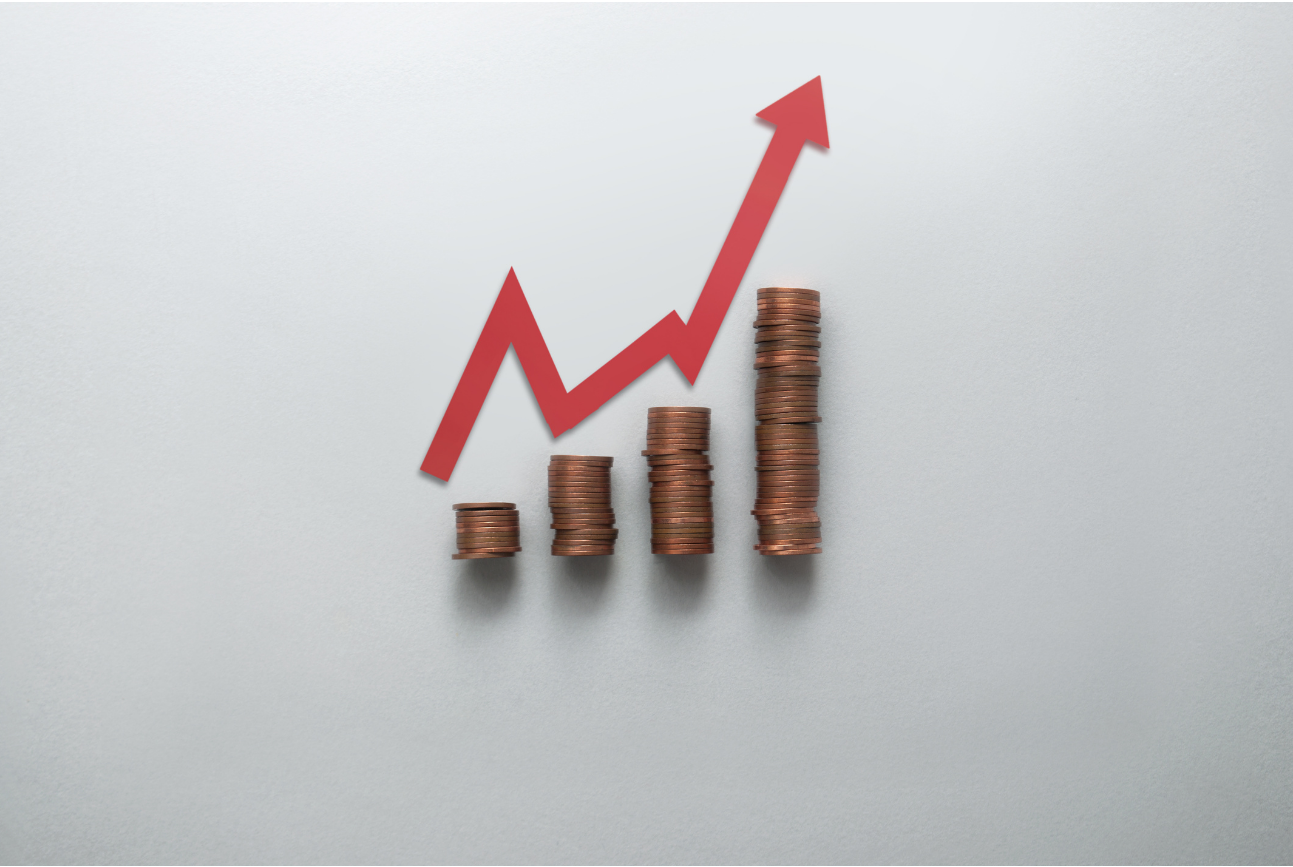
Consider these key statistics from recent industry analysis:
- Severity Outpaces Inflation: The severity of commercial auto claims has increased by an average of 8% annually, more than double the 3% economic inflation rate.
- Longer, More Expensive Claims: Claims are remaining open for longer periods, exposing insurers to “nuclear verdicts”—jury awards that far exceed what was previously expected. These extended timelines also drive up costs for attorney fees and expert witnesses.
- Spillover into Other Policies: The issue isn’t contained to just your auto policy. As attorneys pursue larger payouts, more claims are exceeding the typical $1 million policy limit, putting pressure on umbrella and excess liability policies as well.
This environment has led to a situation where average loss severity for commercial auto liability claims has more than doubled over the past nine years. The result is an industry that remains under-reserved by an estimated $4 to $5 billion, signaling that aggressive rate increases will likely continue through 2025 and 2026.
From Defense to Offense: Proactive Strategies to Control Your Risk
While you can’t control social inflation, you are not powerless. A passive approach to insurance renewals is no longer sufficient. Now is the time to partner with a dedicated risk advisor to build a comprehensive strategy that makes your business more attractive to underwriters and reduces your total cost of risk.
Here are four key areas to focus on:
- Strengthen Your Safety Culture: Documented safety protocols, rigorous driver training, and a zero-tolerance policy for distracted driving are foundational. Insurers are looking for best-in-class operations that actively work to prevent losses.
- Leverage Technology: Implementing telematics and dashcams provides invaluable data for coaching drivers and can be a powerful tool for defending your company against fraudulent or exaggerated claims. Many insurers now offer premium credits for businesses that effectively use this technology.
- Implement a Post-Accident Response Plan: What happens in the first few hours after an accident can have a multi-million-dollar impact on the outcome. A clear plan for evidence preservation, driver communication, and immediate reporting can significantly improve your claims results.
- Review Your Coverage Holistically: In this market, it’s critical to review your liability limits, especially on your umbrella policy, to ensure you are adequately protected from a catastrophic verdict. An expert analysis can determine if your current limits are sufficient to withstand today’s litigious climate.
Navigating the Road Ahead
The commercial auto insurance market will remain challenging for the foreseeable future. The persistent gap between commercial auto premiums and claim severity means that businesses across all sectors will continue to face pressure on their premiums.
However, by shifting your focus from simply buying an insurance policy to actively managing your risk, you can gain more control over your long-term costs and outcomes.
The landscape is complex, but you don’t have to navigate it alone. If you are concerned about your commercial auto program and want to explore strategies to mitigate these rising costs, we invite you to connect with one of our Risk Advisors for a complimentary policy review and consultation.
 Photo by Sam zeng on Unsplash